
What is an LMS? The Ultimate Guide to Learning Management Systems
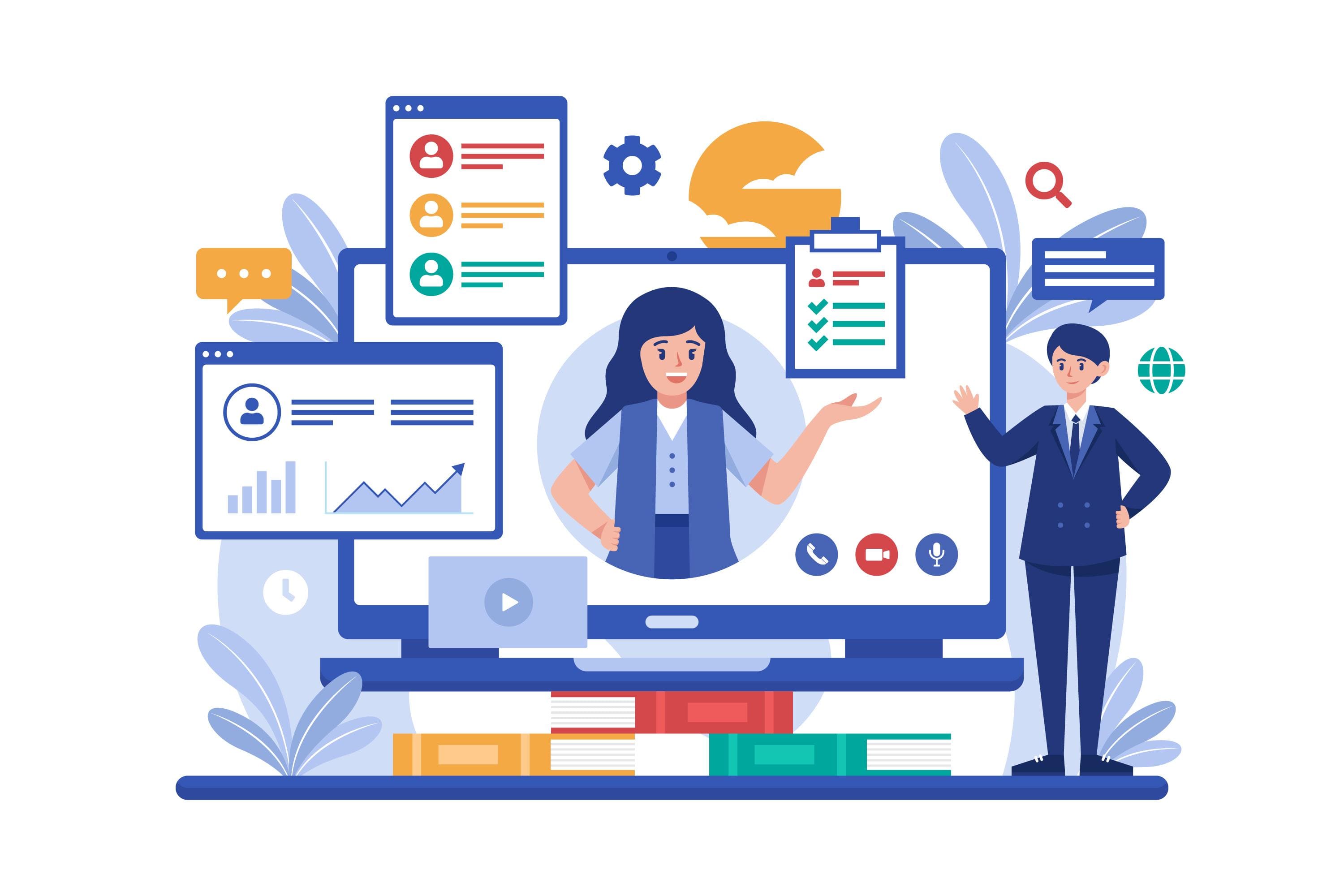
In the modern digital landscape, the way we acquire skills has shifted from physical classrooms to dynamic, cloud-based environments. At the heart of this transformation is the Learning Management System (LMS).
But what exactly is it, and how does it drive ROI for businesses and academic success for schools?
Defining the Learning Management System (LMS)
An LMS (Learning Management System) is a comprehensive software ecosystem designed for the administration, documentation, tracking, and delivery of educational courses or training programs. Think of it as the "digital engine" that powers an online classroom or a corporate training portal.
The Core Components of LMS Infrastructure
To understand an LMS, you must look at its two primary interfaces:
● The Admin Interface: Where instructors and HR managers create content,automate notifications, and extract data.
● The Learner Interface: The front-end portal where students or employees access lessons, take exams, and view their certifications.
Essential Features of a High-Performing LMS
When evaluating LMS platforms, look for these "must-have" technical capabilities that ensure long-term scalability:
1. Course Authoring and Content Interoperability
Top-tier systems support SCORM (Sharable Content Object Reference Model) and xAPI standards. This ensures that the learning content you create is portable and compatible across different platforms.
2. Automated User Management & Enrollment
Instead of manual entry, modern systems use SSO (Single Sign-On) and automated workflows to group learners by department, skill level, or job role
3. Advanced Reporting and Learning Analytics
Beyond simple "pass/fail" grades, semantic-rich platforms provide predictive analytics. This helps identify learners at risk of falling behind before they actually fail.
4. Asynchronous and Synchronous Learning Support
A versatile LMS handles both self-paced modules (asynchronous) and live, instructor-led virtual sessions (synchronous).
Why Organizations are Migrating to Cloud-Based LMS
The shift toward SaaS (Software as a Service) models in education isn't just a trend—it's a strategic move for several reasons:
● Centralized Knowledge Repository: Eliminates "information silos" by keeping all training manuals and videos in one secure location.
● Cost Reduction: Dramatically lowers overhead by removing the need for physical infrastructure, printed hand-outs, and travel expenses.
● Compliance and Certification: For industries like healthcare or finance, an LMS automatically tracks mandatory compliance training to mitigate legal risks.
Scaling Excellence with Witsclass
While there are many platforms available, Witsclass is engineered specifically to bridge the gap between complex technology and user experience. It focuses on engagement-first learning, ensuring that the software never gets in the way of the education.
Why Witsclass is the Strategic Choice:
● No-Code Course Builder: Empowers subject matter experts to create interactive lessons without needing a web development background.
● Real-Time Engagement Tracking: Go beyond completion rates to see exactly where students spend the most time in your modules.
● Mobile-First Design: Optimized for m-Learning, allowing users to complete certifications on any device, anywhere.
Future-Proofing Your Training Strategy
Adopting an LMS like Witsclass is no longer optional for growth-oriented organizations; it is the foundation of a culture of continuous improvement. By leveraging data-driven insights and centralized delivery, you ensure that your knowledge remains your greatest asset.
